 Tintle
A habit tracker heatmap that doesn't punish missed days
A basic streak counter shows one number and resets it when you miss a day. A heatmap shows every day you did the habit, so one miss stays one empty square. Tintle tracks habits as heatmaps, without streaks.
 Free on iPhone. No ads. No account needed.
Heatmap vs streak counter
Streaks turn a habit into a game you can lose. Day 41 feels great. Day 42, missed because of a cold, resets the number to zero and makes the previous six weeks look worthless. In seven studies, people did less of a behavior after their log showed a broken streak than after it showed an intact one (Silverman and Barasch, 2023).
The research does not support that all-or-nothing view. In a 2010 study led by Phillippa Lally, people rated each day how automatic a new daily behavior felt. It took a median of 66 days to get close to the most automatic it would become, anywhere from 18 to 254 days depending on the person and the behavior. Missing one day did not materially affect the process (Lally et al., 2010). A missed day does not undo your progress, and each day you repeat the habit adds to it.
A heatmap reflects that. Forty-one colored squares stay colored after day 42. You see a strong stretch with one gap, which is exactly what happened.
What a heatmap shows that a checklist doesn't
- Density. Four out of seven days looks different from seven out of seven, without any math.
- Weekday gaps. In the month view, a column of blank Thursdays shows you that Thursday is the hard day.
- Drift. If a habit fades slowly, you see the squares thin out over the weeks before they stop.
- Intensity. With a scale you can tell a ten-minute walk from a two-hour hike.
GitHub-style or Year in Pixels layout?
Developers know the GitHub contribution graph: weeks as columns, weekdays as rows. It is great for spotting weekday patterns. The Year in Pixels layout uses months as columns and days as rows, which makes months and seasons easy to compare. Tintle shows a habit as a month, a quarter or a whole year, and you can change the Format anytime in the tracker's settings.
Habits that work well as pixels
- Yes/no habits: walk, stretch, read, no phone before breakfast.
- Amount habits: water glasses, minutes of movement, hours outside, colored in three shades from less to more.
- Feeling habits: energy or anxiety, tracked alongside the action you think affects them.
Tintle's Inspiration library has ready trackers for Movement, Water and Breathing, and with Pro also Outside and Energy. Or build your own.
Set up a habit heatmap in Tintle
- Create an activity, or start from a template.
- Pick a Format: Month, Quarter or Year. A quarter suits a new habit. To count it from the day you start, turn off Linked to Calendar.
- Decide what each color means: done, or levels of how much.
- Tap once a day. Skip days honestly.
Habit heatmap questions
What is a habit tracker heatmap?
A heatmap shows each day as a square, colored when you did the habit or by how much. Unlike a checklist it shows density at a glance: a dense patch means a consistent stretch, a pale patch shows where the routine slipped.
Tintle shows habits as heatmaps by month, quarter or year.
Do streaks help you build habits?
An intact streak can keep you going. But in seven studies, people did less of a behavior when their log showed a broken streak than when it showed an intact one (Silverman and Barasch, 2023). A heatmap keeps the record of every day you did show up. Tintle has no streaks, on purpose.
How long does it take to form a habit?
In a 2010 study led by Phillippa Lally, a new daily behavior took a median of 66 days to get close to fully automatic, anywhere from 18 to 254 days depending on the person and the behavior (Lally et al., 2010). A quarter in Tintle covers about 90 days.
Is there a habit tracker without streaks?
Yes. Tintle is a habit and mood tracker with no streak counter and no daily goals to miss. Missed days stay blank and everything else stays visible.
Can I track several habits in Tintle?
Yes. Each habit is its own activity with its own grid, icon and colors. The free version lets you start with a few activities, and Tintle Pro removes the limit.
Should I track mood and habits together?
You can. Put a movement or time-outside grid next to a mood grid, and you may spot links you would not notice day to day. See Year in Pixels for the mood side.
Read next


Track a 30-day or 90-day challenge
Ideas, how long to run them, and how to see what a challenge actually changes.
Read →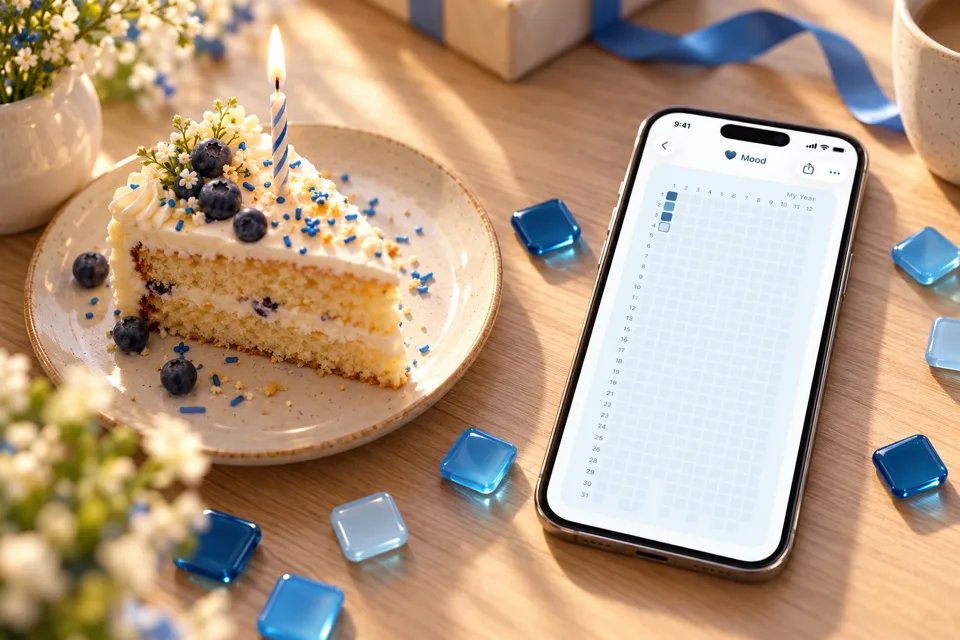

Why you don't have to wait for January
What research says about fresh starts, and how to pick your own day one.
Read →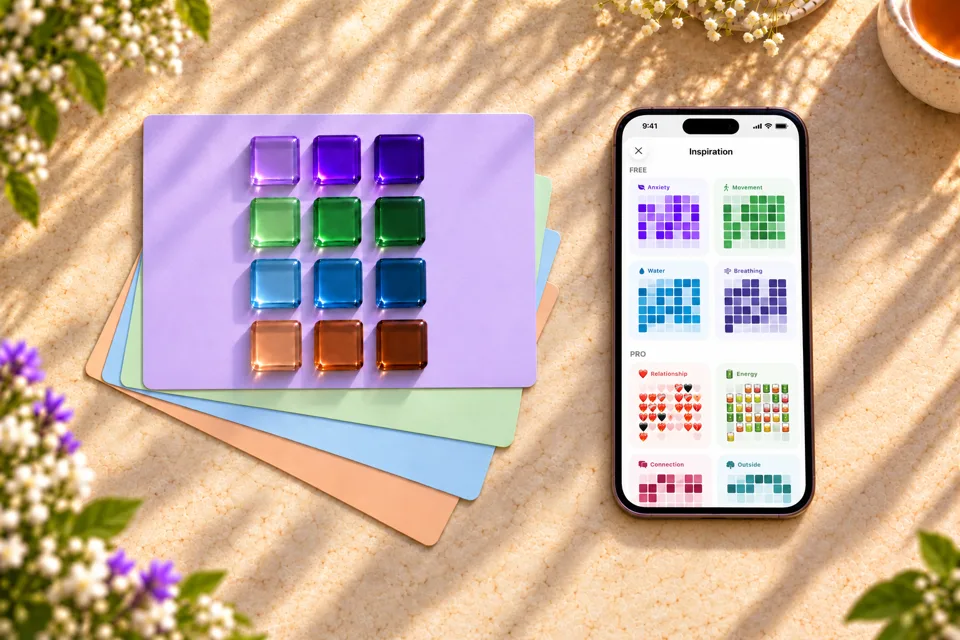
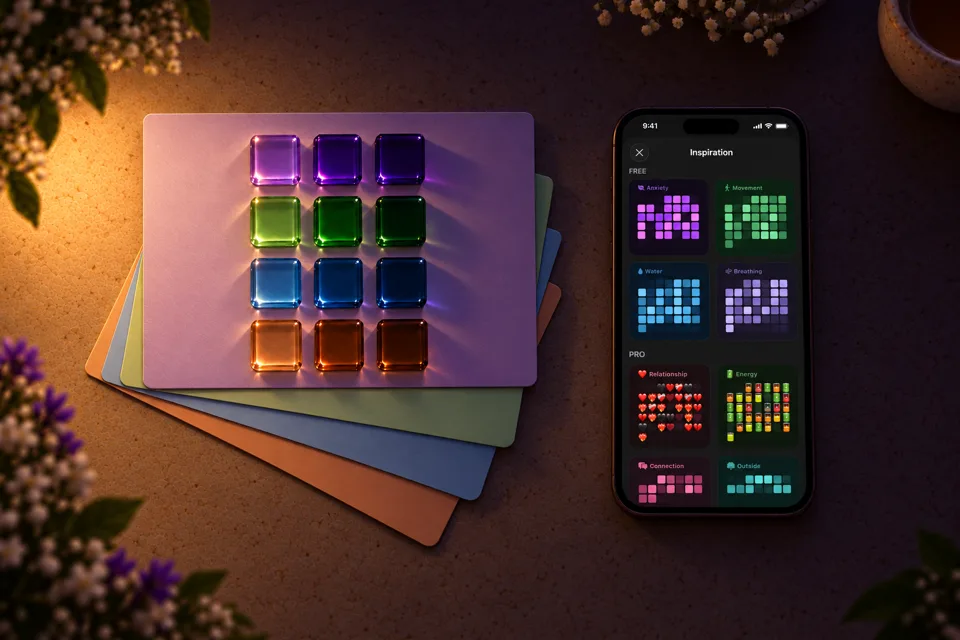
What to track and which colors
Twelve tracker ideas, and how to pick shades that still make sense in November.
Read →Track the habit, not the streak.
Tintle keeps every day you showed up. Start with today.
Free on iPhone. No ads. No account needed.